
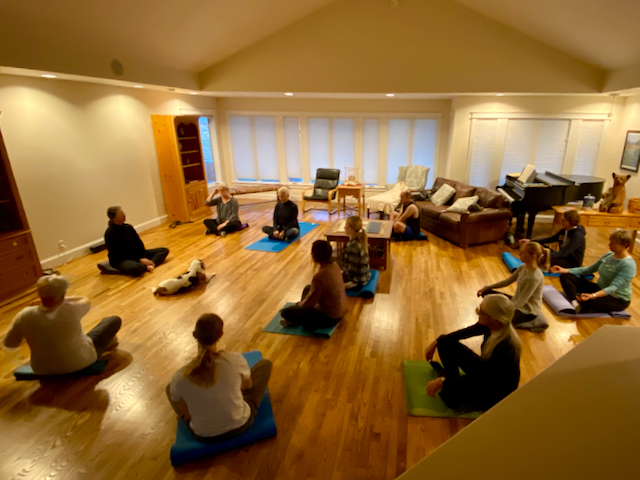
The Horseperson’s Inner Landscape
Just as horses carry patterns, so do humans. The way a horseperson stands, breathes, and directs their attention communicates more than their words or tools ever could.
Classical training teaches that the person must approach the horse with calm, assertive leadership and clear intention. The individual should be relaxed, focused, and patient, understanding that the exercises require time and consistency
Sacred holism adds another dimension. The horseperson must cultivate inward stillness, emotional regulation, and spiritual presence. Horses detect the quality of our attention and respond to it with remarkable fidelity. If we are rushed, they are hurried. If we are tense, they brace. If we are grounded, they soften.
At CEA, this embodied leadership is called Soul‑to‑Soul Leadership. It is not domination or hierarchy. It is presence as a form of resonance. It is the recognition that communication is not achieved through louder cues but through clearer inner alignment.
The EquiSeeker learns to lead not by imposing shape on the horse but by inviting the horse to reorganize themselves. This invitation arises from a state of awareness that blends biomechanics, compassion, and mindful embodiment. It creates a space where the horse can find balance, and the human can find humility.
Thus the journey inward is not separate from the technique. It is the technique.