
Classical Principles in the Sacred Age of Horsemanship
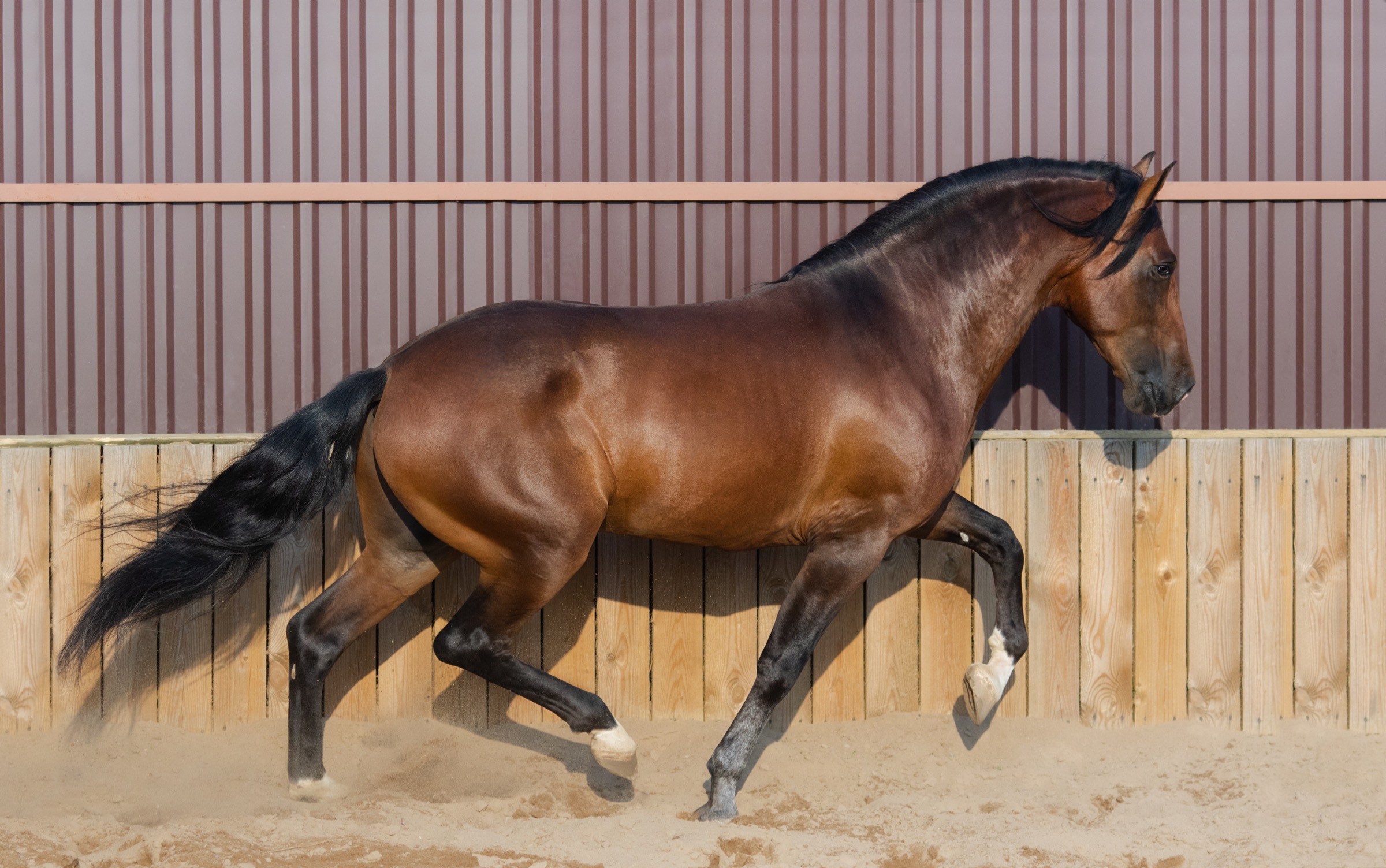
The first steps on the classical path often unfold in a quiet moment. An apprentice stands at the rail of a paddock, watching a horse move freely without tack, noticing the natural rise and fall through the back and the soft rhythm that needs no shaping. In this unguarded movement, the observer feels a gentle contrast between what the horse carries on its own and the tension that sometimes appears under saddle. This moment of recognition begins the shift toward a deeper, more attuned way of working, a shift that will one day grow into the quiet confidence of a master. And in this way, the journey begins as a soulful invitation towards a classical partnership that is both ancient and living.[1]
At the Center for Equine Awareness (CEA), the classical path blends with what we describe as Soulful or Soul to Soul Leadership. This leadership arises not from authority, but from listening, mindfulness, and ethical clarity. Classical masters such as Xenophon and Steinbrecht spoke of a horse trained without force, a horse invited into the work through balance, patience, and generosity. Modern equitation science echoes these fundamentals affirming that calmness, consistency, and learning theory principles align with both humane welfare and effective training.[2]
The CEA approach is therefore classical in method and soulful in intention. It rests on three intertwined streams: the rider’s inner work, scientific understanding of biomechanics, equine learning, and classical principles that support the unwavering commitment to the welfare and emotional experience of the horse.[3]
This is the beginning of the EquiSeeker to EquiSeer journey, the shift from searching for methods to learning how to see the horse, the self, and the space between them.