
Embodied Practices on the Path to Mastery
The Rider’s Inner Seat
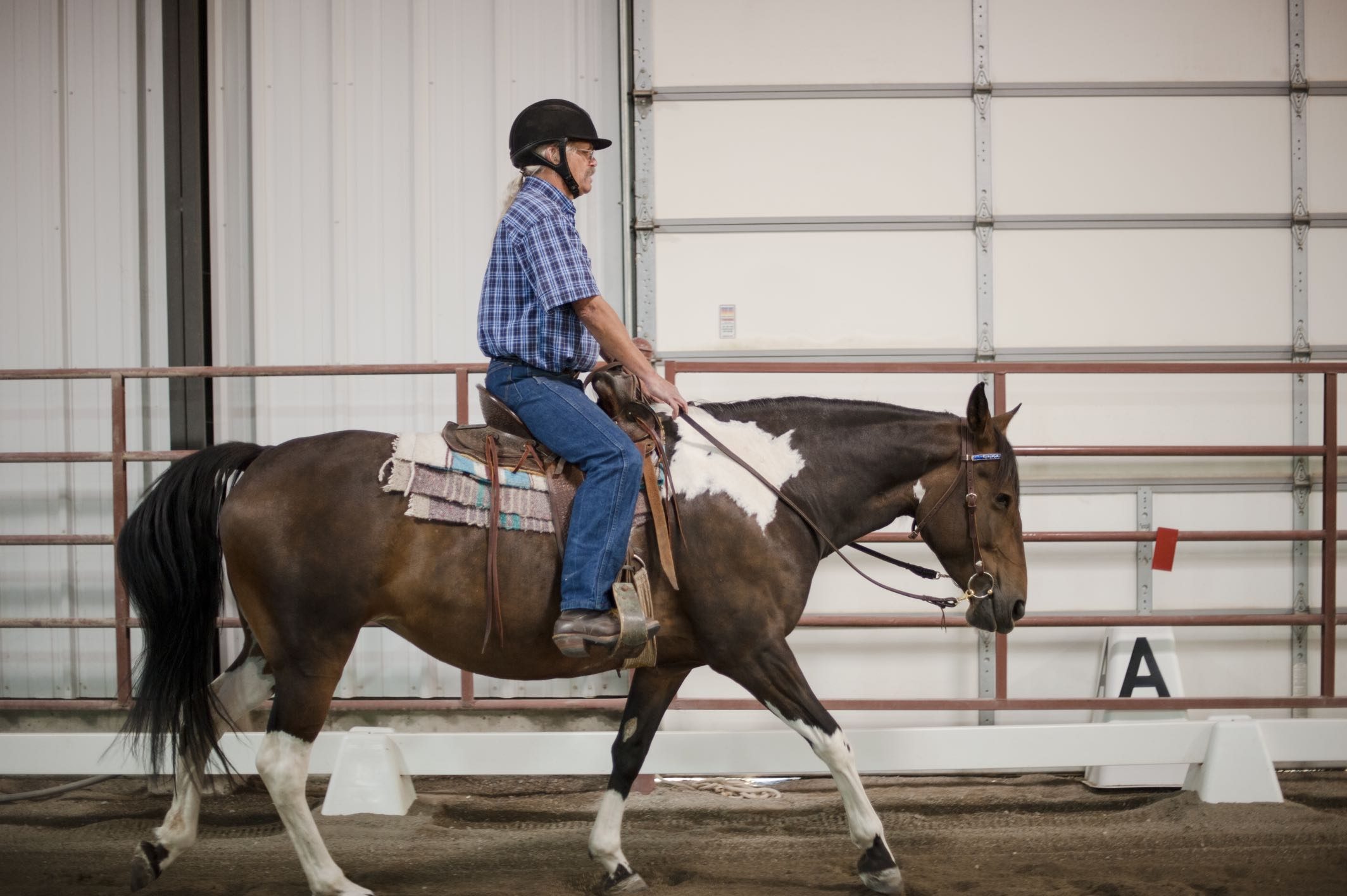
Rider biomechanical studies show that rider symmetry, core stability, and balance directly influence the horse’s comfort, efficiency, and emotional state. An unbalanced rider introduces uneven forces that hinder clarity, while an aligned rider offers a stable platform that frees the horse’s movement.[22]
Simple unmounted practices help develop an attuned seat: aligning ear, shoulder, hip, and heel; breathing into the ribs; gently activating the pelvis; and softening the jaw and eyes. These inner adjustments support clear, balanced, and quiet aids.[23]
Groundwork as an Inner Conversation
Groundwork allows the rider to explore classical principles without the complexity of the ridden seat. Leading in-hand work, in hand exercises, and lunging develop clarity, responsiveness, and balance. Learning theory emphasizes single cues, timely release, and progressive shaping rather than pressure or mixed signals.[24] [ISES_Train…n Pictures | PDF], [ISES Princ…oster-2017 | PDF]
A Classical Ride as Moving Dialogue
A riding session may unfold in this progression:
Warming up at liberty with a power walk, groundwork, then into the saddle with a long-rein walk, encouraging the horse to stretch and find rhythm.[25]
On to circles, serpentines, and transitions to refine engagement and alignment.[26]
Introducing brief moments of collection, always followed by stretching and emotional connection to help prevent tension.[27]
End with a soft walk, allowing breath, musculature, and mind to settle into integration.
Throughout the journey, the rider listens not only to the mechanics of movement but also to the emotional and energetic responses beneath them.